The extreme risk to South Africa's economy if the Middle East war rages on

Rafiq Wagiet
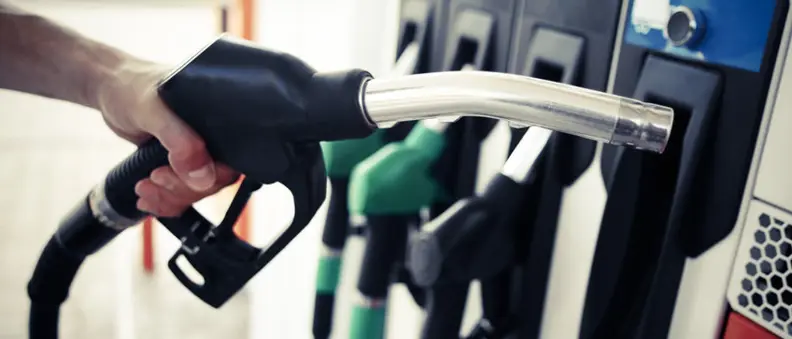
30 March 2026 | 18:14The direct and immediate effect for South Africa is at the petrol pump, where fuel prices are set for a significant increase on 1 April.

Picture: © Yakobchuk/123rf.com
Stephen Grootes speaks to Johann Els, Chief Economist at PSG Group about the latest potential fuel price shock will mean for inflation, interest rates and potential government intervention on the fuel levy.
Listen to the interview in the audio player below.
A sudden escalation in conflict in the Middle East has sent shockwaves through global energy markets, and South Africa is feeling the effects.
Oil prices have surged sharply in a matter of days, while key global shipping routes have been disrupted. For South Africa, this creates a complicated picture: rising costs on one hand, but potential economic gains on the other.
The United States and Israel's joint military action against Iran has disrupted oil supply routes, especially through the Strait of Hormuz.
As a result, oil prices jumped above $100 per barrel.
“There is no shortage of diesel, petrol or paraffin. The price has gone up dramatically, but there is no shortage of supply.”
— South African Government (@GovernmentZA) March 29, 2026
— Minister of Mineral and Petroleum Resources, Mr Gwede Mantashe , 25 March 2026.
#GovZAUpdates #ANationThatWorksForAll pic.twitter.com/128p9F8Tuv
The direct effect for South Africa is at the petrol pump, where fuel prices are set for a significant increase on 1 April.
This will push up transport costs across the economy, affecting everything from food to logistics.
According to Johann Els, chief economist at PSG Group, The South African government can manage the situation in the short to medium term, but the longer the conflict rages on the greater the risk to the economy.
"Other countries are going through similar situations, trying to lessen the impact on consumers. We don't know how long this will last, but there's lots of pressure on the U.S government, internally and externally to end this as quickly as possible."
- Johann Els, chief economist - PSG Group
"If they manage to lessen the impact on South African consumers for a couple of months before reverting that fuel levy to the normal level, and we get a somewhat lower inflation outcome, and in terms of interest rates we see a delay in further cuts, and not the need for a hike, I think taking all that together, investors, ratings agencies, everybody would see that's the better outcome."
- Johann Els, chief economist - PSG Group
"It's the same as previous scenarios when we saw significant spikes in the oil price. Whether that's $200, or $150, I don't think that really matters. When you look at the past oil price cycles, whenever you've seen a spike like this, pretty soon, oil just collapses."
- Johann Els, chief economist - PSG Group
Trending News
- 3 hours ago
DA demands urgent parliamentary sitting over looming fuel hike
- 6 hours ago
Chaos in KuGompo: Ten vehicles torched during protest against ‘Nigerian King's’ coronation
- 6 hours ago
FF Plus denies shift toward Cape independence following Referendum Party merger
- 7 hours ago
Cape Town drivers brace for record fuel price surge
- 9 hours ago
KuGompo City residents rally to protest coronation of 'Nigerian king'
- 10 hours ago
WC SANTACO says taxi fares could increase soon due to expected fuel price hikes
- 12 hours ago
Court dismisses application to remove Khampepe as chair of TRC cases inquiry
- 14 hours ago
Fear and uncertainty over fuel shortage creep in at some Joburg petrol stations
- 15 hours ago
eThekwini Mayor introduces 'heightened enforcement' during Easter
- 15 hours ago
Border Management Authority experiencing body camera shortage
- 15 hours ago
WC Health fills vacancies to rebuild, strengthen healthcare system
- 16 hours ago
SAPS couldn’t afford to lose Mkhwanazi after reappointment: Masemola