Gqeberha-based NPO receives UNICEF backing for coding readiness programme
Camray Clarke
2 March 2026 | 5:08What started as a university research project has grown into a global movement aimed at reshaping how children learn to think.

Tangible Africa, a coding education initiative born in Gqeberha has officially been accepted into the United Nations Children's Fund (UNICEF) Learning Cabinet to empower children in the face of AI. Picture: Supplied
Born from a mission to make coding accessible to every child, regardless of internet access or resources, Tangible Africa is teaching young people to think critically, solve problems and see themselves as creators in a digital world.
To date, the initiative has taught coding to more than 350,000 learners across 15 countries, using simple “unplugged” games that make computational thinking accessible to everyone, everywhere.
The initiative, which has officially been accepted into the UNICEF Learning Cabinet, was born out of a partnership between Nelson Mandela University’s Computer Science Department and the Leva Foundation.
NMU honours student Byron Batteson conceptualised the first prototype for his postgraduate project - working alongside Professor Jean Greyling, Head of Computer Science at the university.
The pair developed “Tanks” - the first tangible game that laid the foundation for the programme’s learning model.
Since then, their range of coding games has expanded to include popular additions such as Juicy Gems, Boats and Rangers, among others.
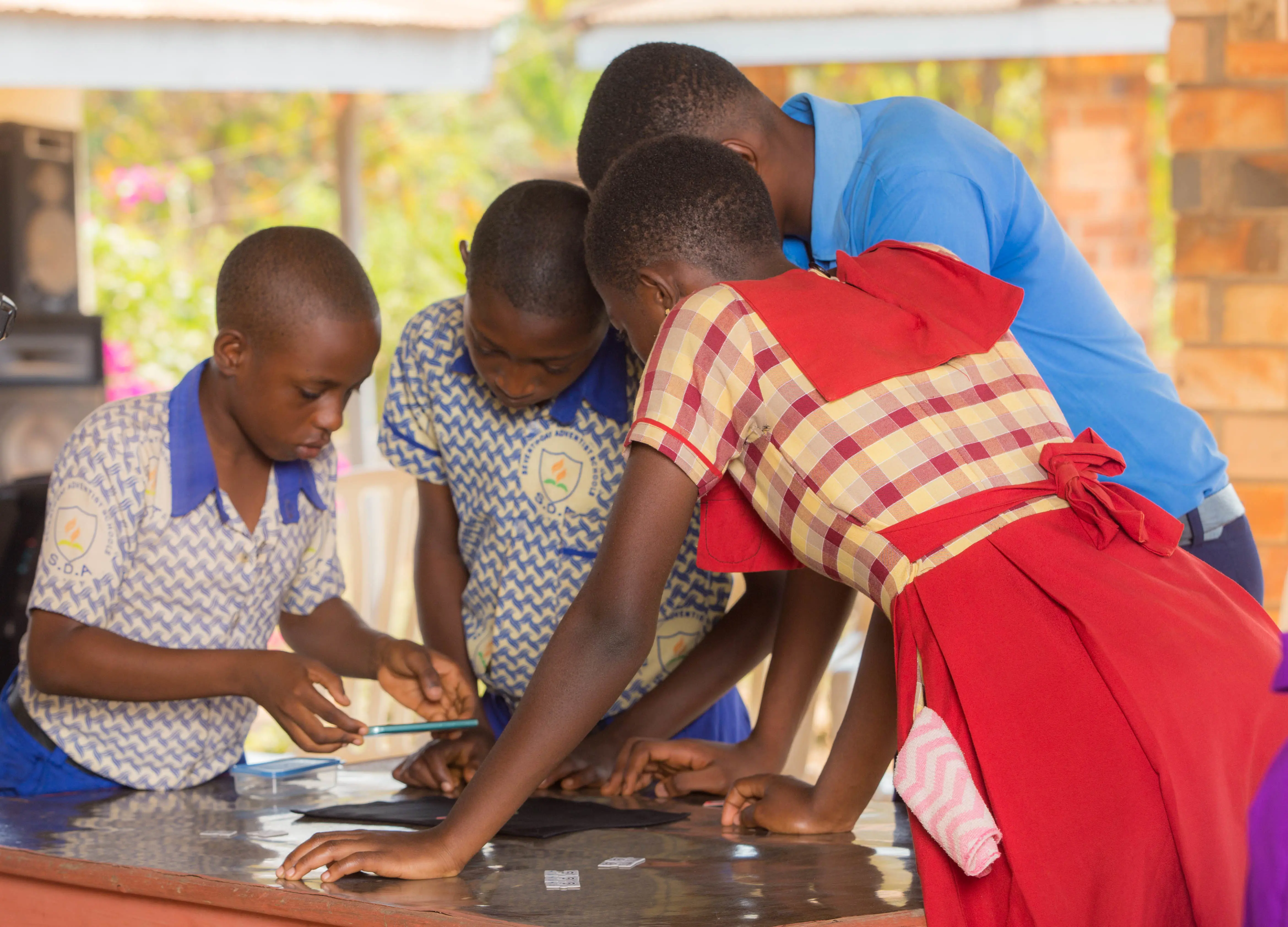
Tangible Africa, a coding education initiative born in Gqeberha has officially been accepted into the United Nations Children's Fund (UNICEF) Learning Cabinet to empower children in the face of AI. Picture: Supplied
Making tech accessible
Leva Foundation CEO Ryan Le Roux explained that Tangible’s core mission has always been rooted in accessibility:
“We do this in a really cool, gamified way. How we've made it unplugged is, first, you can download an app onto your device, a basic smartphone. Once the app is on the device, you don't need connectivity again. The game was first built for the rural parts of South Africa that don't have computers or access to signal or Wi-Fi.”
As it expanded into global markets such as Ireland, where tech access is widely available, the Leva Foundation adapted its tools for classrooms equipped with computers and high-speed internet.
However, the essence remained the same: coding as problem-solving, not memorisation.
Le Roux said the approach was deliberately designed to counteract rote learning.
“Even in developed nations, there’s a problem with fact-based learning, where you memorise information and then reproduce it in an exam.
Tangible helps identify talent among learners who are natural problem-solvers and creative thinkers, young people who can solve critical problems around them.”
This philosophy resonates with industry experts.
“Digital literacy is no longer optional. In data analytics, you’re constantly identifying patterns, structuring information and testing assumptions. Block coding builds those habits early. It’s not about memorising code, it’s about learning how to think systematically in a digital world,” said Jessica Parenzee, a data and analytics specialist.
Parenzee added that the UNICEF endorsement proves that the initiative is not experimental, but verified and tested for safety, effectiveness and scalability.
“From my perspective as a data professional, what children gain isn’t just coding exposure. They gain confidence in navigating digital systems.”
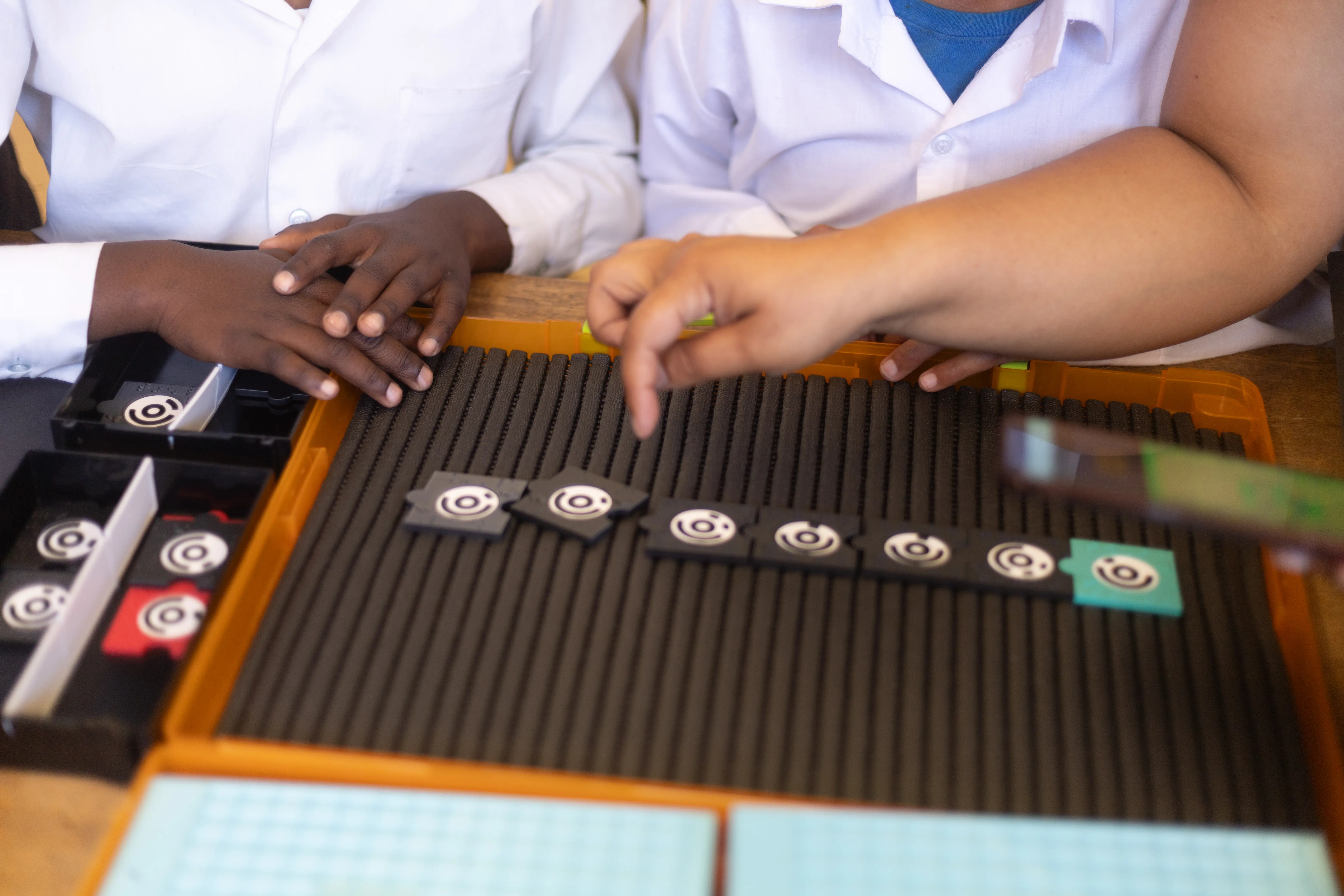
Tangible Africa, a coding education initiative born in Gqeberha has officially been accepted into the United Nations Children's Fund (UNICEF) Learning Cabinet to empower children in the face of AI. Picture: Supplied
Early learning
Their coding clubs, targeting learners from Grade 7 to Grade 9 across the country, aim to give young people insight into the world of technology before they select subjects for Grade 10.
Le Roux noted that some schools in the province did not originally offer Grade 10 pure mathematics. Without pure maths, learners are locked out of most STEM degrees and bursaries.
“Our coding clubs go into Grade 9 classrooms and say: if this is something you want to pursue, you must take maths. You need that foundation to access STEM opportunities.”
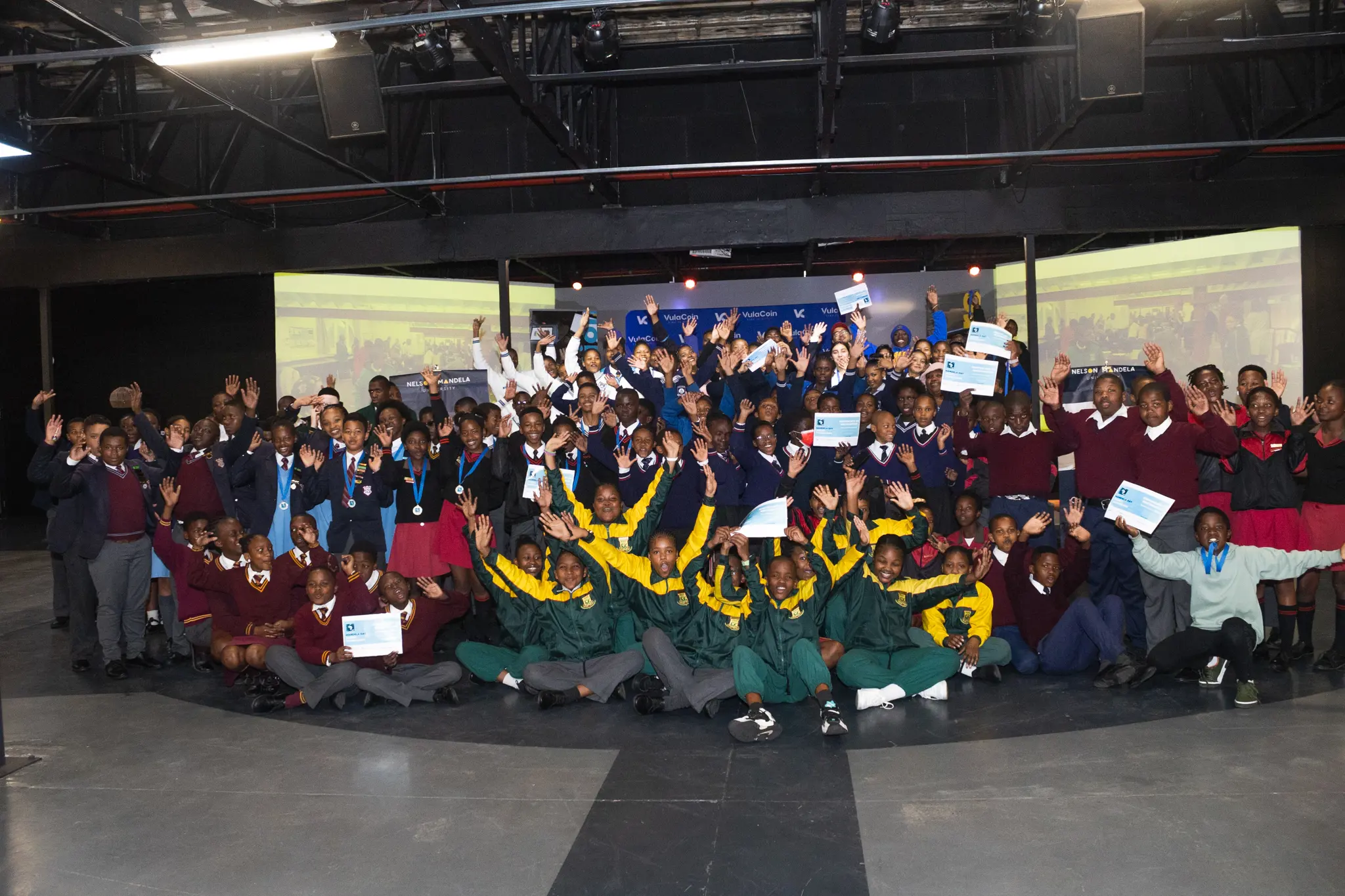
Tangible Africa, a coding education initiative born in Gqeberha has officially been accepted into the United Nations Children's Fund (UNICEF) Learning Cabinet to empower children in the face of AI. Picture: Supplied
Teacher involvement
Tangible also includes a strong teacher-training component. Instead of leaving learners and educators to navigate the programme alone, the Leva Foundation provides hands-on guidance, showing teachers how to configure and operate the game using the puzzle-piece system.
Parenzee noted that while some schools offer robotics and coding programmes, they often lack this teacher-training element, leaving educators underprepared and limiting the impact of the technology.
“What I liked about Tangible Africa is that they include a teach-the-teacher component. You don’t need to be a tech wizard to do it. Schools can train one or two teachers who then equip learners with an additional skill set.”
Coding World Cup
Last year, Tangible Africa hosted its groundbreaking Coding World Cup, bringing together learners from 30 countries on a single Zoom call.
More than 400 teams across 130 venues competed simultaneously, creating a powerful image of global synergy as time zones, cultures and languages converged around a shared goal.
Le Roux recalled the moment at the Cape Town hosting venue:
“When the screen turned on and our local learners saw 130 other venues around the world looking back at them, they realised they were part of something big. They were competing for their school, their province, their country. It was incredible.”
Get the whole picture 💡
Take a look at the topic timeline for all related articles.
Trending News
- 6 minutes ago
SAA imposes surcharge as jet fuel costs surge
- 3 hours ago
Ramaphosa: Law enforcement suspensions underway following Madlanga Commission findings
- 4 hours ago
Ramaphosa defends decision to withhold Madlanga Commission report
- 6 hours ago
Holomisa defends deployment of SANDF
- 7 hours ago
Madlanga Commission reveals Shibiri's luxury purchases after securing loan from Matlala
- 7 hours ago
WC budget: Provincial govt allocated R93.5bn for 2026/27
- 7 hours ago
Westbury residents report not hearing gunshots for first time in months
- 7 hours ago
NPA boss Andy Mothibi to intensify crackdown on organised crime
- 8 hours ago
Sulphur-like smell in Gauteng may be coming from Mpumalanga, investigation finds
- 8 hours ago
Amber Lee Hughes sentencing proceedings postponed due to logistical issues
- 9 hours ago
SA Constitution allows president to deploy soldiers inside country
- 9 hours ago
Shibiri stands on financial difficulty when accepting loan from Matlala