Kganyago defends cautious stance amid rising oil prices and geopolitical risks
Dimakatso Leshoro
26 March 2026 | 17:30The Bank has opted to leave interest rates unchanged, citing persistent concerns over higher inflation.
- South African Reserve Bank (SARB)
- South African Reserve Bank Governor Lesetja Kganyago
- Monetary Police Committee (MPC)
- Interest rate

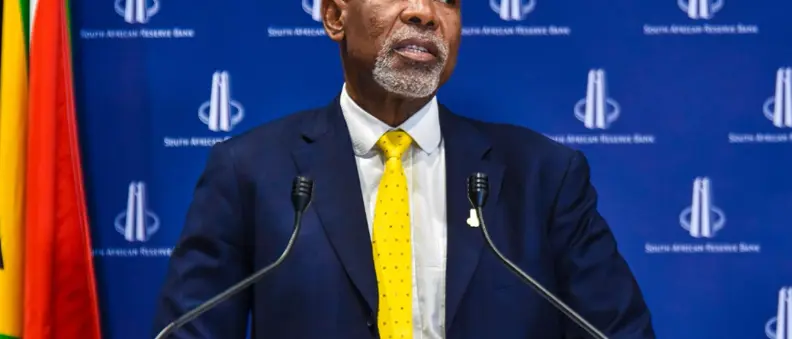
FILE: South African Reserve Bank (SARB) Governor Lesetja Kganyago. Picture: Karabo Tebele/702
Reserve Bank Governor Lesetja Kganyago has signalled that interest rate cuts will be delayed on the back of intensifying global risks.
The South African Reserve Bank (SARB) left interest rates unchanged, citing concerns of higher inflation.
This as higher oil prices, which are expected to push headline inflation.
Kganyago said the bank’s cautious approach is justified as it has led to a lower CPI.
The Reserve Bank has been criticised by some economists for being too restrictive in its inflation policy setting.
Kganyago said the approach of the Monetary Policy Committee, which sets interest rates, has proven prudent, given global economic shocks that pose upside risks to inflation.
Before the Middle East war, headline inflation was contained at 3%, the ideal rate that the SARB wants to see.
But this is changing and the MPC sees inflation rising to 4% with fuel prices driving prices.
On Thursday afternoon, the price for Brent crude oil was hovering around 107 dollars per barrel.
ALSO READ: Reserve Bank holds repo rate at 6.75% amid growing inflation risks
Kganyago said the MPC has looked at two scenarios when deciding on rates -one, the war continues for a shorter period, and the second, it goes on for longer, both of which, he said, are more adverse than the MPC’s baseline.
He said the price shocks are external and there's much that monetary policy can do to change the coming increases. Adding that there are too many moving parts and things will have to be evaluated on a meeting-by-meeting basis. This means interest rates will remain unchanged for longer.
Kganyago said that while there have been few buffers to cushion consumers from price shocks, this is changing.
He says prudent macro-economic policy, including economic reforms, a primary budget surplus and lower debt levels will provide support.
Get the whole picture 💡
Take a look at the topic timeline for all related articles.
Trending News
- 3 hours ago
Mabuyane confirms ANC EC will appeal interdict as conference registration begins
- 4 hours ago
G7 invitation retracted: South Africa sidelined following US pressure
- 5 hours ago
Court reinstates Ingonyama Trust Board, bars ministerial interference
- 5 hours ago
Reserve Bank holds repo rate at 6.75% amid growing inflation risks
- 7 hours ago
Strength in the surf: Noluthando Makalima challenges misconceptions about disability
- 7 hours ago
Detectives return to Saldanha Bay as new leads surface in Joshlin Smith case
- 9 hours ago
DA lays criminal complaint against ETDP SETA officials
- 9 hours ago
Potential battery hazard prompts Ford to recall Transit and Tourneo models
- 9 hours ago
Tshwane council meets to consider CFO Mnisi’s possible suspension
- 9 hours ago
Maluleke: Govt depts with largest budgets continue receiving qualified audit outcomes
- 11 hours ago
EFF takes Phala Phala case judgment delay to Chief Justice Maya
- 11 hours ago
Tshwane administration to crack down on graft allegations raised before Madlanga Commission