


EXPLAINER | From battlefield to fuel pump: How war in the Middle-East is hitting Africa

Jane Dutton
2 April 2026 | 7:12More than just a war in the Middle East, the Iran conflict is sending shockwaves across the globe. In Africa, those tremors are being felt in fuel queues, food prices and fragile economies - raising urgent questions about power, influence and where the continent stands.

Graves of the 170 children killed when a was school bombed in Iran. Photo: AFP
A school bombed in Iran, more than 170 children killed. Classrooms turned into rubble. Children who never chose a battlefield; who kissed their parents goodbye and never came home.
Not because of anything they did but because powerful men made decisions, far above them.
This is the Iran war.
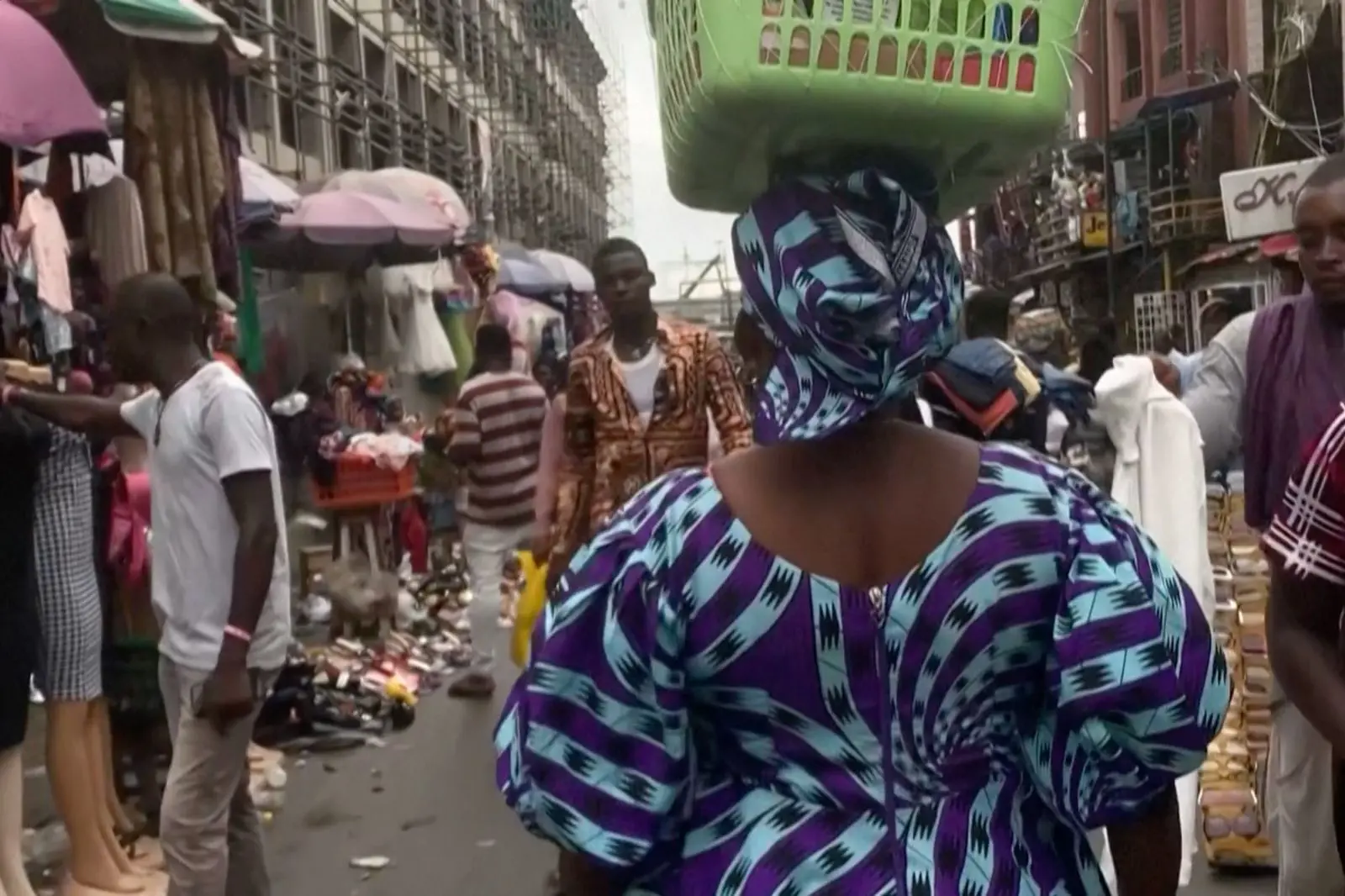
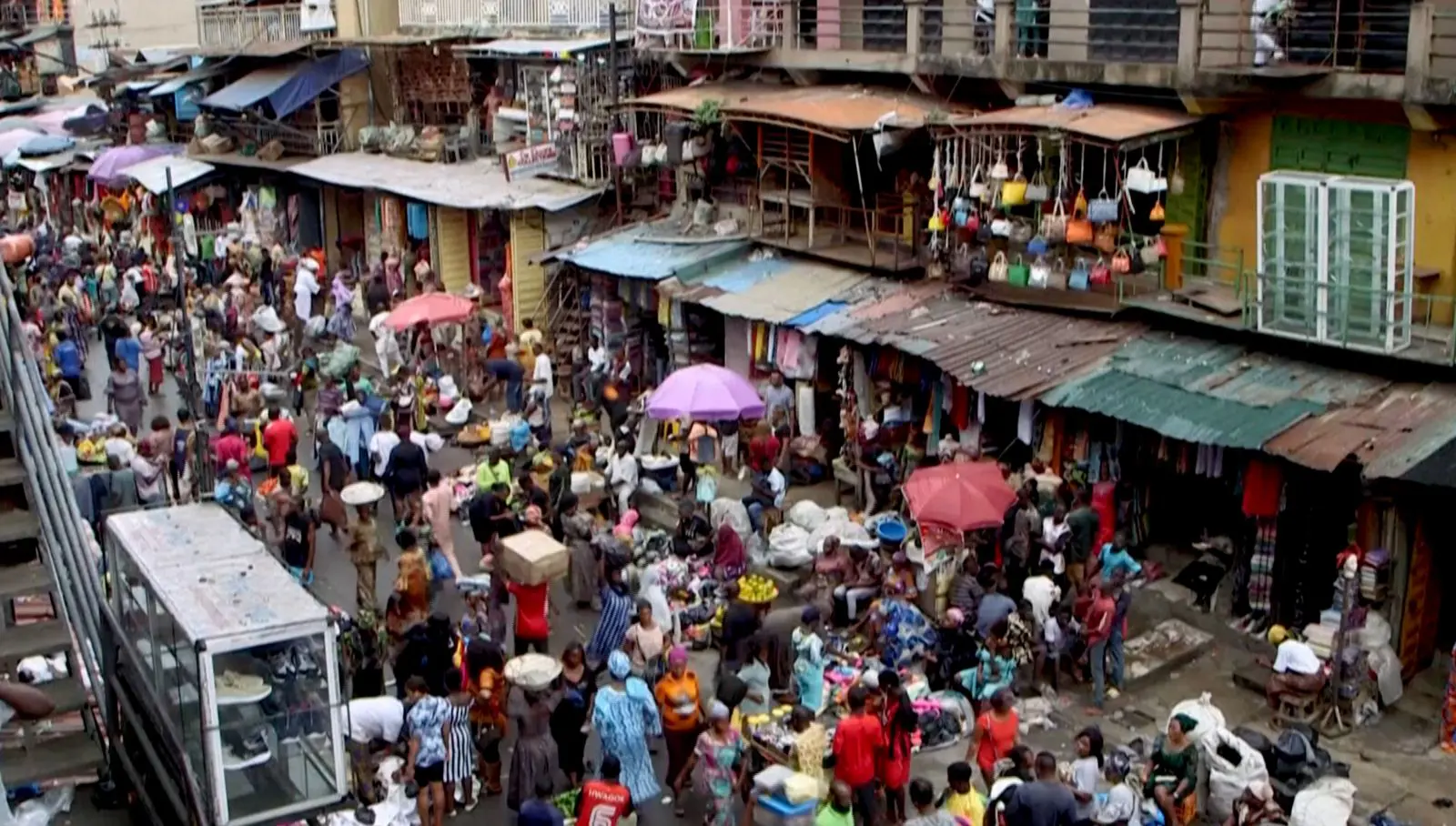
It feels far away. But try telling that to a family in South Africa, watching fuel and food prices soar or a trader in Nigeria, now paying more just to move goods across borders.
This war doesn’t stay where it starts. It moves through oil, through trade, through politics and right in the middle of it is Africa.
The rising cost of living
When oil spikes, it doesn’t just hit your wallet. It reshapes economies, it shifts power. It decides who wins and who doesn’t.
Economists are watching one thing above all else: oil.
“If prices stay above $100 a barrel for months, that feeds directly into inflation.”
We’re already seeing early pressure. Airlines are raising costs and locally, fear is driving stockpiling. Diesel is being bought and stored.
That creates shortages, even when supply exists.
In Ethiopia, the impact is already visible and growing.
“We are facing fuel shortages. You can see across Addis Ababa and other regional cities, longer queues of cars waiting for fuel. This has been the case for several weeks, since the beginning of the war between the United States and Iran.”
And it doesn’t stop at the pump.
Transport is affected. Availability is shrinking. People are parking cars and buses because they cannot find fuel.
Even how people work is changing.
The return of Work from home?
“Institutions, including large government enterprises are advising workers to shift to more digital ways of working - including holding meetings online to reduce travel.”
This war isn’t just about prices. It’s about control, trade routes, chokepoints, power.
The Strait of Hormuz, a fifth of global oil passes through it.
Then there’s Bab el-Mandeb, where Houthi forces in Yemen have targeted vessels with drones and missiles.
And just north of that chokepoint, Eritrea. Strategically positioned. Closely watched.
Eritrea has faced accusations of links to armed groups, including Hamas and Houthi networks, claims it denies.
Rerouting down the Coast of Africa
When ships don’t feel safe, they reroute. Down the coast of Africa.
“If Bab el-Mandeb shuts down, traffic comes our way. We’re already seeing ships reroute via the Cape of Good Hope.”
On paper, that sounds like an opportunity. More ships, more traffic, more visibility. But here’s the problem:
“We don’t have the capacity to service those ships. So even if they come, the economic benefit is limited - high costs, very little gain.”
And if the war escalates, it could move into the shadows.
The next phase
“The next phase could involve proxies. Sleeper networks. If that happens, we’re in a much more dangerous space - potentially even civil instability.”
If this war spills into proxy conflict, Africa is in play. Concerns are growing about Iran-linked networks in the Horn of Africa and West Africa, including Nigeria and Kenya.
Gulf powers like the UAE are deeply embedded across the region. In Sudan, the UAE has been accused of backing forces in a brutal civil war, one that has displaced millions.
Choosing sides
As this conflict unfolds, countries aren’t staying neutral. They’re choosing sides.
The United States is already present. Bases, drones, security partnerships. From Djibouti, across East Africa into the Sahel.
Not active war zones but strategic ground.
Which means if this conflict escalates, those locations don’t stay neutral. They become exposed, potential targets.
We’ve seen this before.
Countries hosting foreign forces get pulled into wars.
Africa is not operating in a vacuum; China is here, Russia is here, the Gulf states are investing heavily.
Israel is expanding influence and Iran too.
The Abraham Accords
The Abraham Accords, signed in 2020, reshaped alliances - normalising relations between Israel and several Arab states.
For decades, the position was clear: no normalisation without a Palestinian state. That changed.
Now, this is more than diplomacy, it’s a contest for influence.
And Africa is no longer on the sidelines. It’s part of the prize.
In Nigeria, the stakes are complex.
The country should benefit from higher oil prices but production challenges, vandalism and instability limit those gains.
Africa remains heavily dependent on imported energy. Few countries produce oil, even fewer refine it.
So when global prices rise, everyone feels it.
The human cost
Diaspora communities across the Middle East are affected. Families are split across borders, workers are caught in conflict zones.
Communities are pulled into wars they didn’t start. So where does this leave countries like South Africa?
Maintaining ties with Iran, while clashing with the United States and Israel.
The official stance: non-alignment - A call for de-escalation - because stability supports the economy.
“Be diplomatic. Stay neutral. Don’t take sides.”
But even neutrality comes with pressure.
You are likely to see an emboldened Iran, stronger alliances and Africa drawn into a broader political shift.
Three voices, one direction: diplomacy over alignment. De-escalation over confrontation. Because in this war, choosing sides comes at a cost.
Investments are being reconsidered.
Countries are watching before committing further.
If this war escalates, Africa won’t be on the sidelines. It will feel it economically and politically and if a nuclear threshold is crossed, the consequences won’t stop at the Middle East.
The only question now is: When the pressure peaks, where does Africa stand? Who does it trust and which side does it choose?
Get the whole picture 💡
Take a look at the topic timeline for all related articles.
Trending News
- 2 hours ago
Road traffic managers on high alert over Easter long weekend
- 4 hours ago
Recent fuel price hike heralds dicey journeying for Road Freight Association
- 4 hours ago
Operation Prosper: WC top cop vows to rid province of illegal guns and drugs
- 4 hours ago
DPSA ponders giving provinces more power to expand lifestyle audits for civil servants
- 5 hours ago
CoCT urges residents to save water amid declining dam levels
- 5 hours ago
Mitchells Plain sees standoff between some Tafelsig residents and law enforcers
- 5 hours ago
Parly's Agri Portfolio Committee members unhappy about Steenhuisen's behaviour
- 5 hours ago
Gauteng ANC still in talks with MK Party over joining coalition
- 17 hours ago
Lesufi shuffles provincial cabinet to include EFF
- 19 hours ago
Fuel prices: OUTA says government could have avoided panic buying
- 20 hours ago
Justice Committee grants extension to judges facing impeachment


