
How YCC is helping young South Africans break into the gig economy

Ntokozo Khumalo
29 April 2026 | 11:30YCC is a content creation platform that equips young people, mainly in major cities across the country, with skills to participate in the mainstream gig economy as professionals in an industry where high equipment and education costs often act as barriers to entry.

The Youth Content Collective (YCC). Picture: Supplied
As the country grapples with high youth unemployment, an organisation, the Youth Content Collective (YCC), is providing an alternative pathway into work for young people.
YCC is a content creation platform that equips young people, mainly in major cities across the country, with skills to participate in the mainstream gig economy as professionals in an industry where high equipment and education costs often act as barriers to entry.
Programme coordinator Sibusiso Zulu said that the initiative, founded by Jason Levin, was created to bridge the gap between talented black South African youth and potential clients.
“Through our training and the programme, young people get an opportunity to understand how to work with brands and also an opportunity to work with brands, develop a portfolio and, in that way, it becomes easier to approach clients independently beyond the programme,” said Zulu.
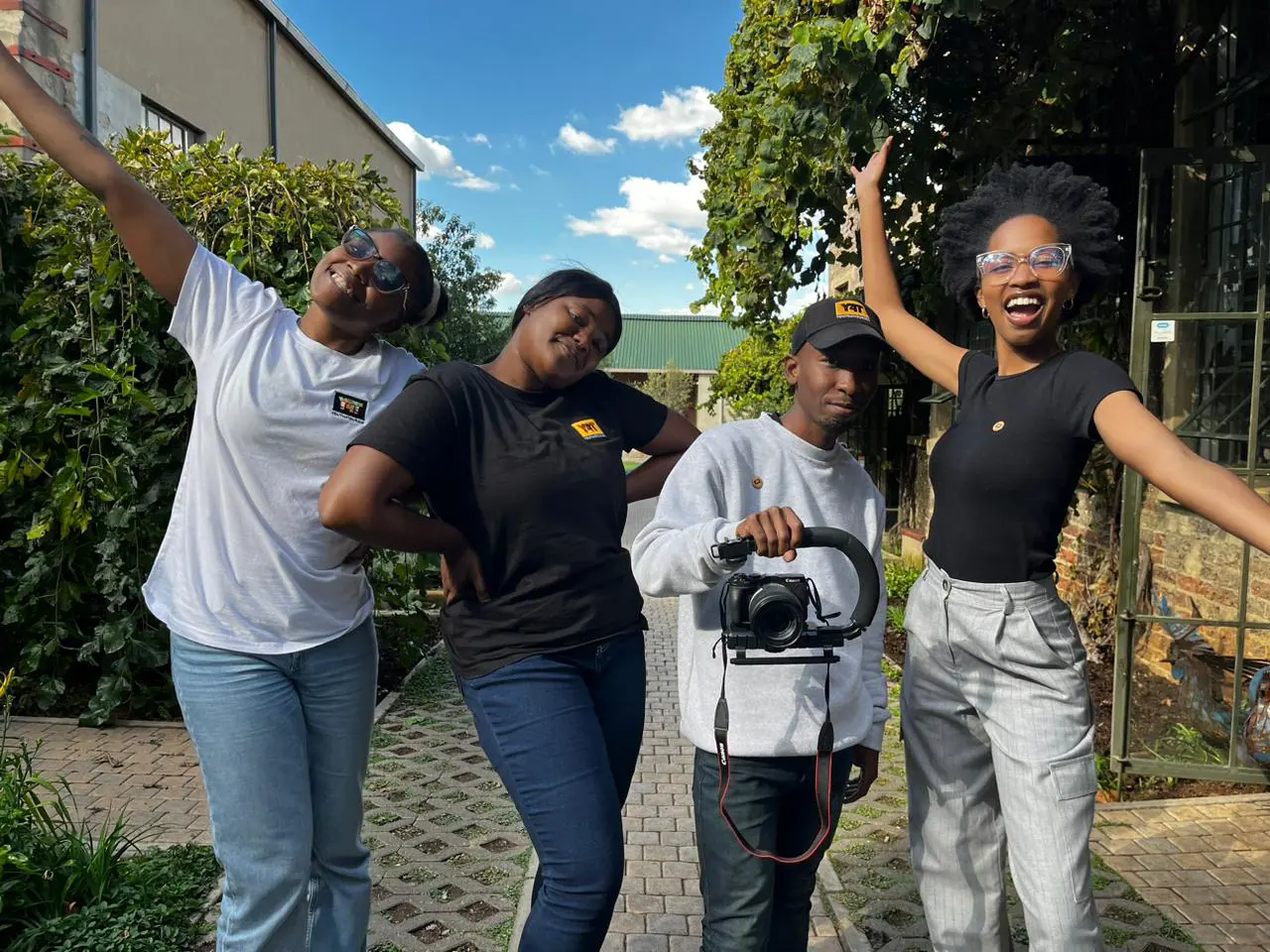
The Youth Content Collective (YCC). Picture: Supplied
While content creation is often associated with influencers in front of the camera, the industry stretches far beyond that. It includes videographers, graphic designers, photographers and copywriters, among others.
According to global strategy consulting firm Ken Research, the industry is worth USD1.5 billion. Coupled with rapidly growing internet penetration in South Africa, millions of people logging onto social media are creating a new market.
“As the world moves further into the digital space and more brands spend their money online, it opens up opportunities for people,” Zulu said.
“Whether it’s content creation, being an influencer or user-generated content, there are massive opportunities. All you need to do is start creating.”
Through organisations such as YCC, people aged 18 to 35 are taught not only hard skills to participate in the industry, but also soft skills that help them decide whether to pursue freelancing or enter the formal job market.
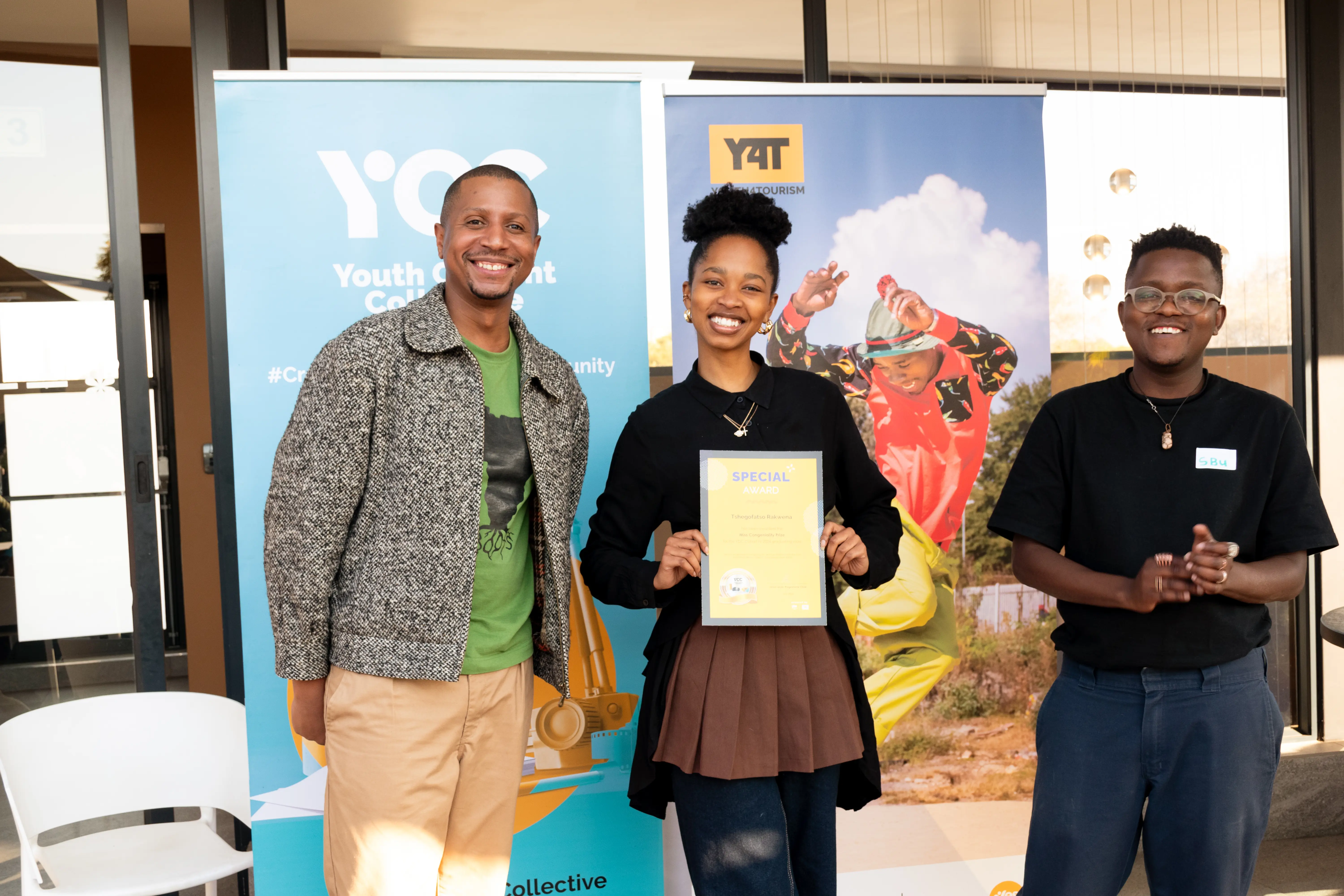
The Youth Content Collective (YCC). Picture: Supplied
Former YCC student Tshegofatso Rakwena said the skills she gained enabled her to work on major deals during and after the programme.
“I’ve worked with Nando’s. I was called in by a videographer who was working on a project, and because my portfolio was already done, I sent it through. They were happy with my work, and I got a gig through Nando’s. I also did a gig through Demographica.”
Rakwena said she continues to reap the benefits of choosing this alternative route into the job market.
“Through YCC, we learn different aspects of photography, videography and design, as well as websites, and the business side too, how to run a business and be an entrepreneur if you want to take that route,” she said.

Nompumelelo Sweetness Skosana
Over the years since its inception, YCC has facilitated more than 1,000 paid gigs, generating close to R5 million in income for over 400 students who have participated in its annual programme.
Programme coordinator Scelo Khoza said students enrolled in the programme receive a stipend in addition to the money they are able to earn through gigs.
“While you’re in training, we also look for gigs because there is great talent, amazing, super-talented people,” said Khoza.
“When opportunities come through YCC with corporate companies and agencies, we help students navigate those relationships, because technical content creation skills alone are not enough.”
As the years have gone by, the programme has faced financial constraints due to reliance on private funding, reducing the number of students it can enrol compared with previous years.
“We would appreciate it if more corporations and more people used the youth, so they can earn, start businesses and eventually employ others,” said Zulu.
Rakwena said the programme opened possibilities she had never imagined before joining.
“At the beginning, I didn’t know I wanted to own my own business and do it for myself. I thought that was difficult. But learning that I can do it for myself, instead of only seeking employment, has changed my perspective.
“I’ve experienced being employed and doing it alone, and I think that balance has been valuable.”
Trending News
- 31 minutes ago
Court orders Bellarmine Mugabe's immediate deportation
- 2 hours ago
Mugabe sidesteps imprisonment, Matonhodze gets jail time
- 2 hours ago
Attempts by MPs to quiz Minister Sisisi Tolashe over maladministration claims shut down
- 3 hours ago
Lesufi calls on South Africans to help strengthen illegal immigration legislation
- 4 hours ago
March and March, ActionSA stage march against illegal immigration
- 4 hours ago
KZN doctor (69) netted for allegedly assaulting 4 female patients sexually
- 5 hours ago
March and March protest expected to create congestion in Joburg CBD
- 6 hours ago
ANC SG Mbalula heading to KZN to bolster party's power ahead of polls
- 7 hours ago
Upgrades to SA's ports of entry will ease congestion at border posts: BMA
- 8 hours ago
State wants direct imprisonment for Bellarmine Mugabe and his co-accused
- 9 hours ago
Justice Minister vows to act against any official in her dept fingered at Madlanga Commission
- 9 hours ago
March and March plan to head to the Gauteng Legislature