Formula 1 explained: how races, teams and strategy really work

Kabous Le Roux
18 March 2026 | 11:03Curious about Formula 1? From race weekends and drivers to tyres and strategy, F1 guru Hendrik Verwoerd gives a clear, simple breakdown of how the global motorsport works.
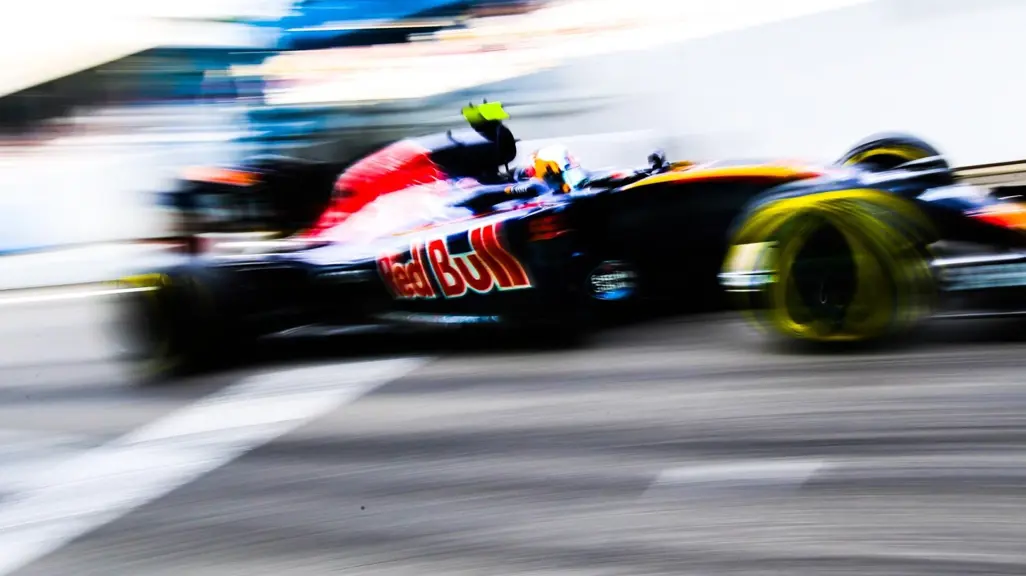
Formula 1, F1. (Archive: Toro Rosso Scuderia). Wikimedia Commons/Josemaf1photos
Interest in Formula 1 is surging, according to motorsport correspondent Hendrik Verwoerd.
He gave 702’s Clement Manyathela a back-to-basics breakdown of the sport, after Lewis Hamilton’s podium finish for Ferrari at the Chinese Grand Prix drew fresh attention.
He unpacked how the global motorsport works, from race weekends and driver selection to strategy and technology.
What is Formula 1?
Formula 1 is the top tier of global motorsport, governed by strict technical regulations that define how cars are built and raced.
The Formula 1 World Championship began in 1950 and remains the pinnacle of single-seater racing.
The sport features teams and drivers competing in races known as Grands Prix across multiple countries each season.
“It’s the World Championship of Formula One cars… the top formula in single-seater racing in the world,” explained Verwoerd.
How a Formula 1 season works
A typical season features more than 20 races held worldwide.
Each race weekend usually runs over three days:
--Friday: Two practice sessions
--Saturday: Final practice and qualifying
--Sunday: The main race (Grand Prix)
Qualifying determines the starting grid for Sunday’s race.
Some weekends include a shorter sprint race format, adding another competitive session before the main event.
How teams and drivers are selected
Each team fields two cars and aims to sign the best possible drivers.
Driver selection is influenced by performance, contracts, and the team’s competitiveness.
Drivers, in turn, prefer top teams to maximise their chances of winning the world championship.
The championship carries global prestige and is one of the most recognised titles in sport.
Why do some teams dominate?
Dominance in Formula 1 is not pre-arranged but driven by performance and development.
“It is a meritocracy… the best will rise to the top.”
Teams invest heavily in technology and development, and regulation changes, usually every few years, can shift the competitive order.
These rule changes are designed to control costs and prevent the sport from becoming unsustainable.
The role of engineers and strategy
Each driver has a dedicated race engineer to help manage performance and decision-making during races.
Cars from the same team may differ slightly due to driver preferences and setup choices.
Strategy plays a critical role, with teams analysing data in real time to decide:
--When to pit
--Which tyres to use
--How to respond to rivals
Decisions are made collectively by engineers and strategy teams.
Understanding tyres and race tactics
Tyres are central to Formula 1 strategy.
Each race features three dry tyre compounds:
--Soft: Fastest, but wears out quickly
--Medium: Balanced performance and durability
--Hard: Long-lasting, but slower
Teams must use at least two compounds in a race, forcing at least one pit stop.
How drivers prepare
Formula 1 drivers are elite athletes who train to handle extreme conditions.
They endure high G-forces, intense heat inside the cockpit, and must make split-second decisions at high speed.
“They deal with up to five or six Gs… and still have to consider race tactics.”
Watching Formula 1: what fans should know
Fans can watch races on broadcast platforms like SuperSport or via the F1 TV app, which offers onboard cameras, live timing, and multiple commentary options.
Attending a race offers atmosphere and experience, but only limited track visibility.
“You go there for the experience… when you come back, you can watch the race again.”
For more details, listen to Verwoerd on 702’s The Clement Manyathela Show using the audio player below:
Get the whole picture 💡
Take a look at the topic timeline for all related articles.
Trending News
- 3 hours ago
Nigeria to evacuate 130 citizens from South Africa
- 4 hours ago
NSFAS placed under administration
- 5 hours ago
Hyundai recall: 2011 models flagged over airbag safety concerns
- 7 hours ago
Madlanga Commission: Witness G's testimony to be heard in-camera
- 7 hours ago
Fuel price hike for on the cards for May
- 8 hours ago
MALAIKA MAHLATSI | The problem with referring to people as 'illegal immigrants'
- 8 hours ago
DA's parliamentary caucus to vote for a leader
- 10 hours ago
7 dead after taxi and bus collide in Kariega
- 12 hours ago
Health Dept to shed more light on British tourist treated for Hantavirus in SA
- 13 hours ago
WATCH: DNA tests to be conducted on human remains found inside crocodile
- 14 hours ago
Suspected spaza shop 'syndicate' under microscope after abduction of businessman
- 15 hours ago
Madlanga Commission: New witness to testify at undisclosed location