Korean Global Food Festival: The quest for cultural integration
Ntokozo Khumalo
22 January 2026 | 8:40Hosted by the Korean Cultural Centre in collaboration with the South African Chefs Association, the festival exposed the local culinary industry to new methods, philosophies, and approaches that chefs could adapt into their own kitchens.

South Korean Chef’s alongside South African Chef who were presenting their dishes at the Festival 21 January 2026. Picture: Ntokozo Khumalo/ EWN
From traditional Korean dishes to shared international culinary knowledge, South African chefs were immersed in a three-day festival that explored Korean cuisine as both heritage and living practice.
The Korean Global Food Festival brought together chefs from across the country, creating a space where East Asian techniques were introduced, interpreted, and woven into local culinary perspectives.
Hosted by the Korean Cultural Centre in collaboration with the South African Chefs Association (SA Chefs), the festival exposed the local culinary industry to new methods, philosophies, and approaches that chefs could adapt into their own kitchens.
Senior Media Officer at the Korean Cultural Centre, Jaeil Lee, explained that the aim of the festival extended beyond showcasing Korean food as a static tradition.
“We want to showcase the versatility and adaptability of Korean food. It’s not just about Korean cuisine on its own, it can be added to different culinary languages as another vocabulary. Chefs can then utilise these elements in their own cooking,” Lee said.
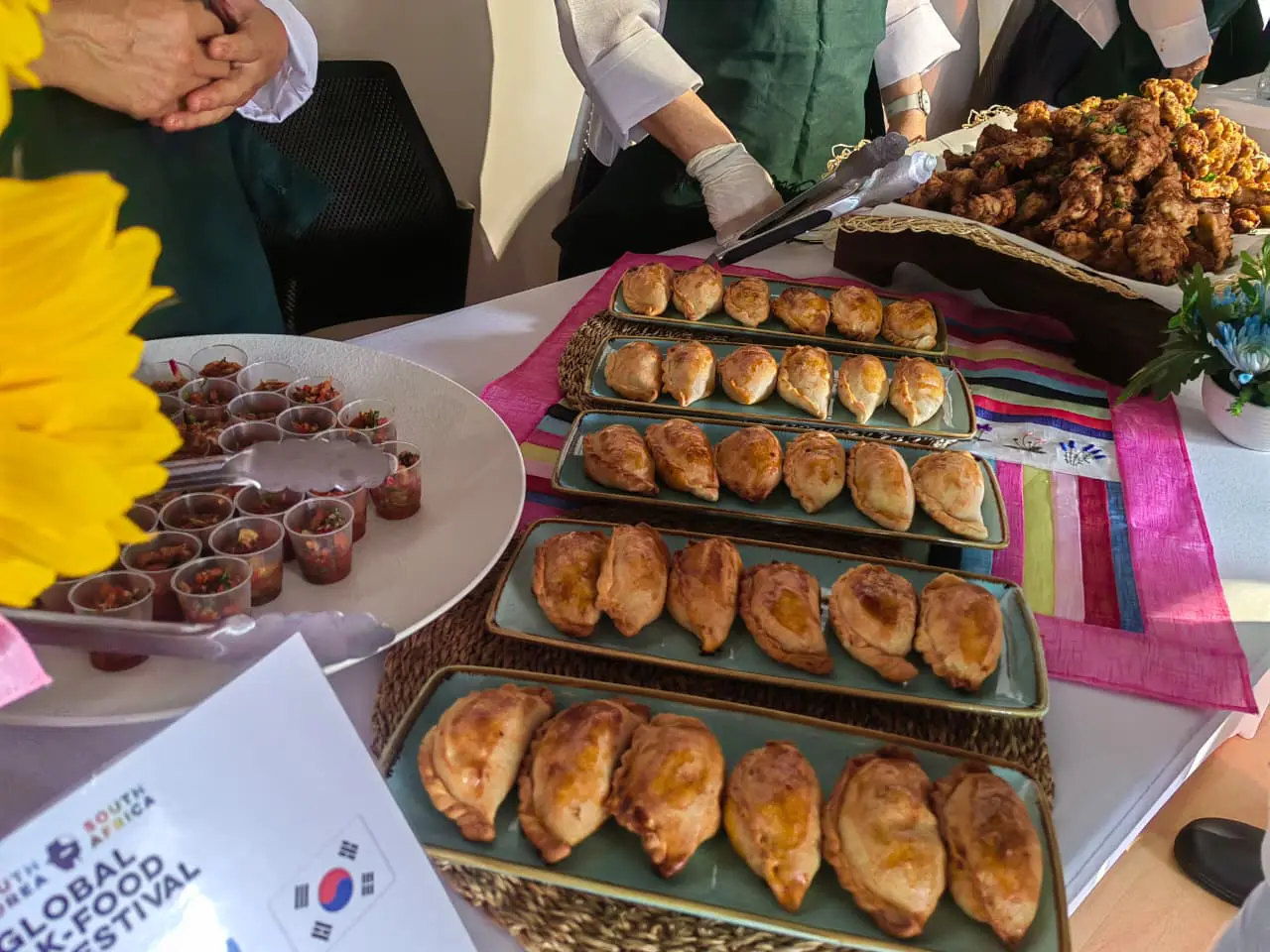
Some of the dishes offered at the Korean Global Food Festival on 21 January 2026. Picture: Ntokozo Khumalo/EWN
At the festival’s closing function on Wednesday, SA Chefs board member Farzana Alvarado highlighted the importance of such collaborations, noting that they play a vital role in expanding chefs’ professional horizons.
“Korean food, in particular, is globally popular and continues to rise in prominence because of its techniques and processes, such as fermentation, as well as its rich culinary history.”
She added that exposing South African chefs to new techniques, flavours, and approaches allows them to broaden their skill sets and expand career opportunities.
South Korean Ambassador Dong-han Yang also praised the initiative, describing it as a meaningful platform for cultural exchange through food.
“Today, once again, I am reminded that food truly brings people together. In Korea, many people believe it is difficult to become friends without sharing a meal. I believe that Korea’s growing global popularity lies not only in its distinct and diverse flavours, but also in the warmth and care found in a single bowl of Korean cuisine,” Yang said.
Alvarado went on to explain how collaboration allowed two culinary traditions to meaningfully intersect.
“This partnership between the Korean Cultural Centre and the South African Chefs Association was about more than celebrating each culture in isolation. It was about exploring how flavours can merge, how philosophies can align, and how new flavour profiles can emerge when culinary lineages meet,” she said.
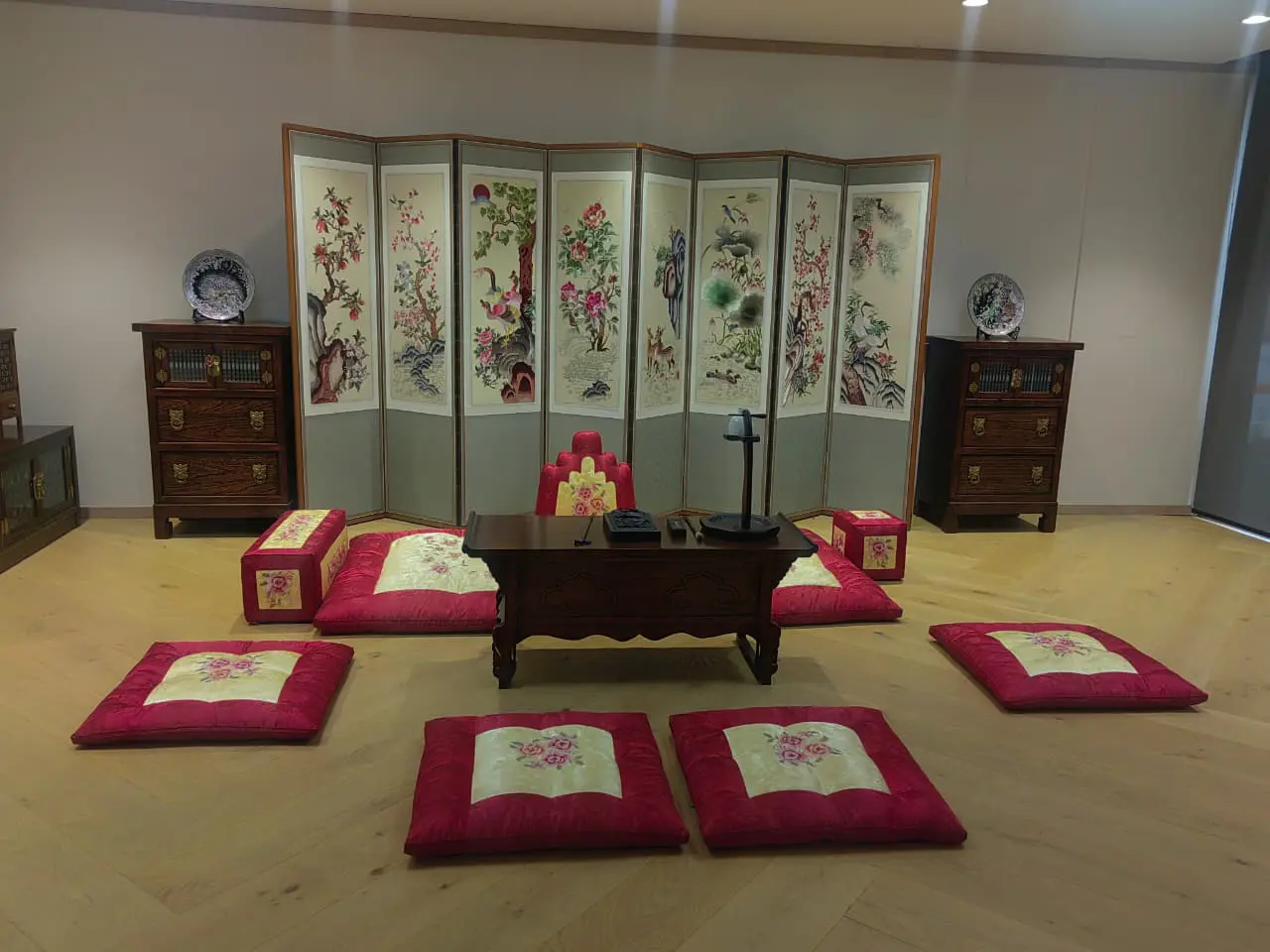
Installation at the Korean Cultural Centre in Pretoria of a traditional noble living space. Picture: Ntokozo Khumalo/EWN
Get the whole picture 💡
Take a look at the topic timeline for all related articles.
Trending News
- 1 hour ago
Godongwana extends fuel levy
- 2 hours ago
SIU recovers R3.2 million as Lottery Commission corruption probe deepens
- 2 hours ago
Minister Tolashe summoned to Parliament amid new state-funded 'nanny' allegations
- 3 hours ago
From the courtroom to the rink: Shiven Bodasing’s historic rise in adult figure skating
- 4 hours ago
Justice Dept says not enough budget to cover Madlanga Commission's extension
- 5 hours ago
Trio accused of killing 7 KZN family members abandon bail
- 5 hours ago
Massive protest outside KwaDukuza Court as Monswamy family murder suspects appear
- 5 hours ago
Maile says Gauteng Education Dept needs R35bn to address overcrowding crisis
- 7 hours ago
Mkhwanazi and Lerutla out on bail after court impersonation allegations
- 7 hours ago
Learner numbers double to 2.8 million in three decades
- 8 hours ago
COSATU calls for toning down of hostilities between ANC & SACP
- 8 hours ago
Godongwana expected to announce if temporary fuel levy will be extended