Winnie Mandela divides SA again as Netflix series reignites fierce debate

Kabous Le Roux
4 May 2026 | 5:03Netflix’s The Trials of Winnie Mandela has reignited fierce debate and anger, with South Africans split between admiration for her struggle role and anger over her controversies.

Winnie Mandela, wife of anti-apartheid leader and African National Congress (ANC) member Nelson Mandela, arrives at the town of Brandfort, on March 26, 1986, where she has been banished for nine years. Winnie Mandela arrived with boxes of toys for local children from a top west German diplomat. (Photo by GIDEON MENDEL / AFP)
— Netflix series ‘The Trials of Winnie Mandela’ reignited fierce debate
— South Africans split: liberation hero or controversial figure?
— Old allegations and convictions back in the spotlight
— Claims of political isolation and unequal judgment resurfaced
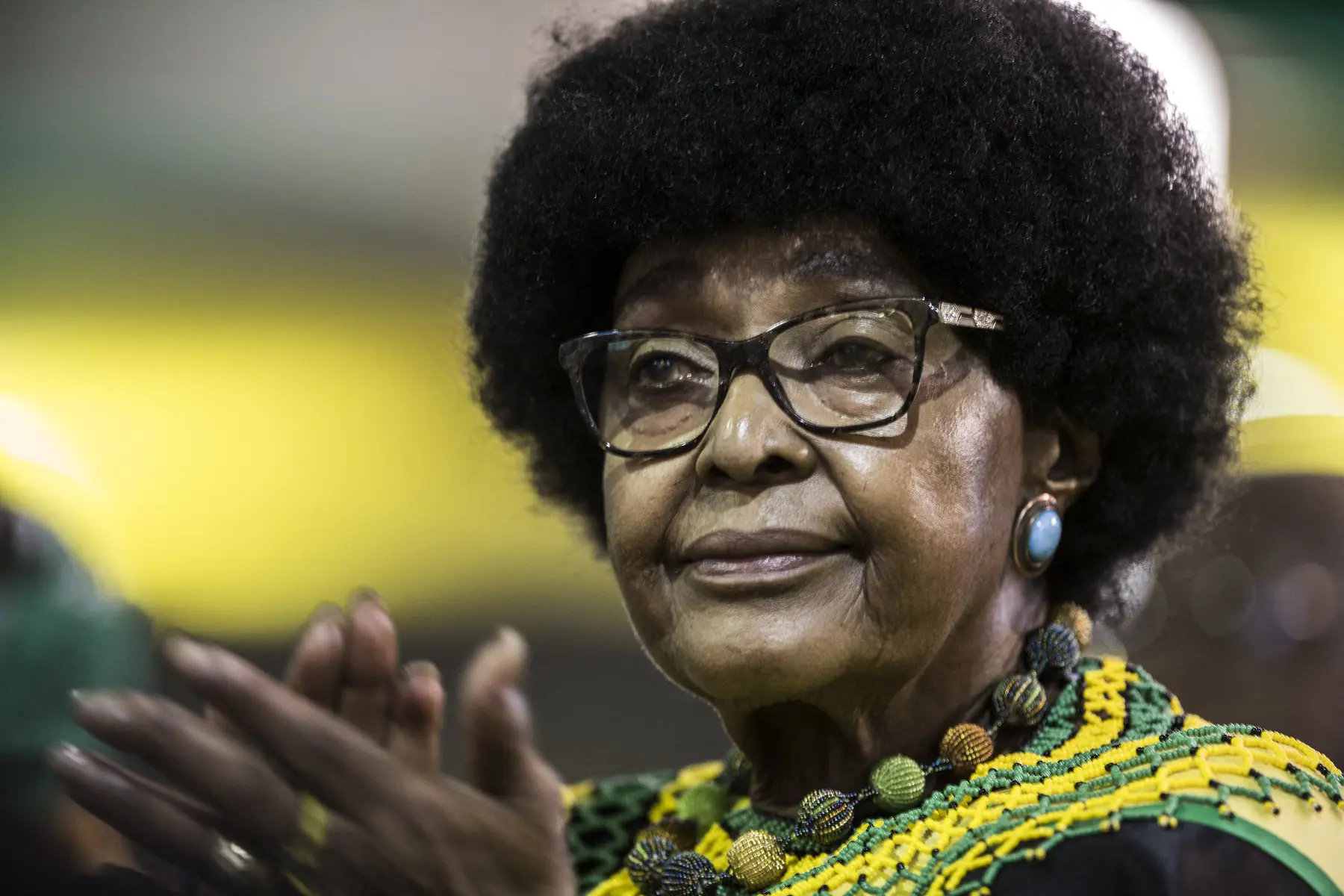
A new Netflix docuseries, The Trials of Winnie Mandela, has reignited fierce divisions over Winnie Madikizela-Mandela, with supporters and critics clashing over her legacy, her role in the liberation struggle, and the controversies that defined her life.
Historian Zikhona Valela says Winnie Madikizela-Mandela remains one of the most polarising figures in South Africa’s democratic history, with her life continuing to provoke powerful emotional responses.
RELATED: Winnie Madikizela-Mandela is neither villain nor saint - Malaika Mahlatsi
“She’s a polarising figure,” Valela said, describing how she is often contrasted with Nelson Mandela, widely seen as a symbol of reconciliation, while Madikizela-Mandela is portrayed by some as a cautionary figure shaped by anger and conflict.
A figure of resistance and controversy
Madikizela-Mandela’s name became synonymous with resistance during apartheid, but her legacy is marked by competing narratives.
Valela said many people fail to fully consider the impact of the trauma she experienced under apartheid, instead focusing on her anger and the controversies that followed.
“There is always this sort of pitting against one another,” she said, referring to comparisons between her and Nelson Mandela.
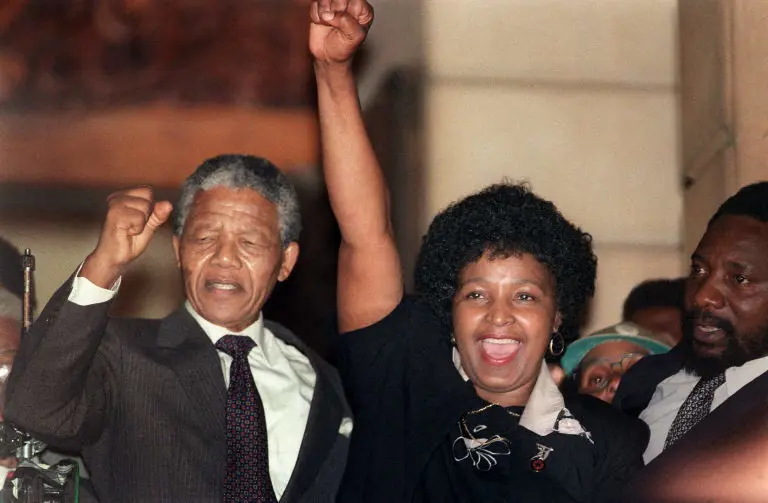
The debate has resurfaced following the release of The Trials of Winnie Mandela, a seven-part Netflix docuseries that explores both her role in the liberation struggle and the allegations and incidents that damaged her reputation.
The series includes references to the killing of Stompie Seipei, an issue that continues to evoke strong reactions.
Isolation and political tensions
Valela said loneliness and isolation were defining features of Madikizela-Mandela’s life, particularly from the 1960s onward, when she faced sustained harassment by the apartheid regime.
“She’s pretty much the only prominent activist who experienced all the tactics of the regime except murder,” she said.
That isolation, she argued, deepened in the 1990s after Nelson Mandela’s release, as internal political tensions and scandals contributed to her marginalisation.
Valela pointed to divisions within the ANC and its Women’s League, as well as what she described as political survival tactics by some figures who distanced themselves from Madikizela-Mandela.
“There were sort of dramas within the organisation… people aligning themselves with certain factions as a form of survival,” she said.
Supporters argue she was sidelined and treated unfairly, while critics maintain that her legal troubles and controversies justified her exclusion from positions of power.
Public anger and competing truths
The renewed attention has amplified sharply contrasting public views.
Some South Africans continue to celebrate Madikizela-Mandela as a fearless liberation fighter who endured immense personal suffering.
Others point to her criminal convictions and allegations of human rights abuses, arguing that these cannot be ignored.
Callers and messages during the radio discussion (scroll up to listen) reflected this divide, with some describing her as a hero shaped by war-like conditions under apartheid, while others rejected that characterisation entirely.
Gender, power and perception
Valela argued that gender plays a significant role in how Madikizela-Mandela is judged compared to other struggle figures.
She said male leaders linked to violence during the liberation struggle are often celebrated without the same level of scrutiny.
Figures such as Chris Hani are widely commemorated, despite their association with violent strategies during the struggle.
“The reason for it is absolutely… that she is a woman,” Valela said.
She added that Madikizela-Mandela challenged traditional expectations of motherhood by embracing a militant and confrontational role in the struggle.
A legacy still unresolved
The docuseries highlights the difficulty of reconciling the different versions of Madikizela-Mandela’s life, as both a symbol of resistance and a figure linked to controversy.
Valela said the documentary reflects her own words: that she was both shaped by her enemies and sustained by the support of the masses.
The debate over her legacy shows no sign of fading, with strong emotions on both sides.
In one of her final recorded reflections, Madikizela-Mandela said she would do it all again in pursuit of liberation, a stance that continues to divide South Africans.
Trending News
- 1 hour ago
WATCH: DNA tests to be conducted on human remains found inside crocodile
- 2 hours ago
Suspected spaza shop 'syndicate' under microscope after abduction of businessman
- 3 hours ago
Madlanga Commission: New witness to testify at undisclosed location
- 3 hours ago
Trump calls Iran talks 'very positive,' US to 'guide' ships through Hormuz
- 19 hours ago
Gauteng Commissioner: Suspect in spaza owner abduction known to victim
- Yesterday
Fadiel Adams claims police intended to kidnap him following early morning raid
- 03/05, 06:26
Family of Mazwi Kubheka speaks out after missing brother escapes month-long captivity
- 03/05, 06:10
Missing Vosloorus spaza shop owner found alive after one month
- 02/05, 14:40
Hlabisa rallies parties for a ‘violence-free’ 2026 local government election
- 02/05, 13:00
National police take over probe into missing Vosloorus spaza shop owner
- 02/05, 10:44
Brink pledges zero-tolerance policy for Tshwane
- 02/05, 09:47
Four killed in shooting in Inanda, KZN